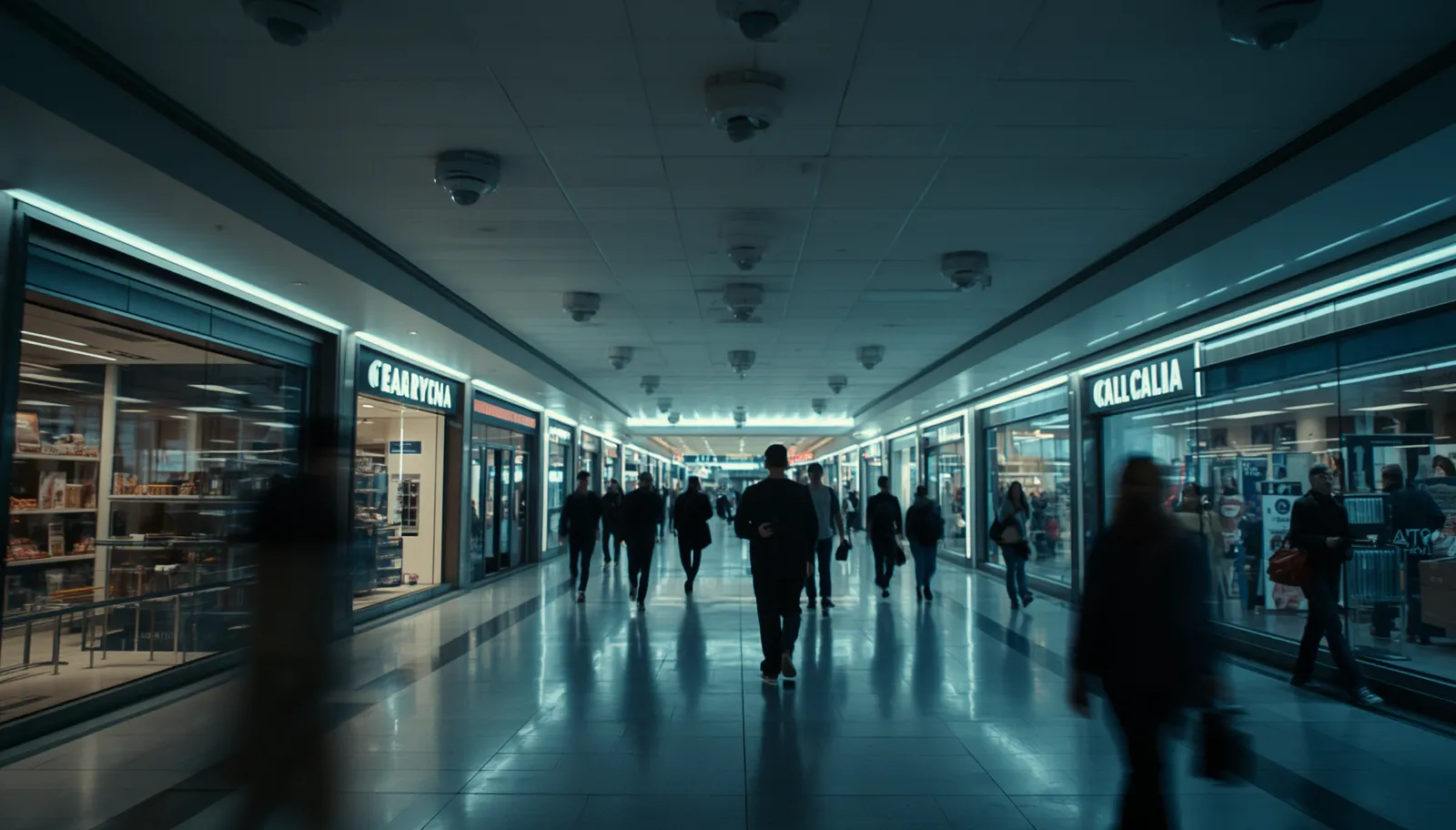
A loss prevention officer approaches someone about a suspected stolen item at Bankstown Centro shopping centre. Within seconds, a public brawl is underway.
This is a pattern that repeats itself across Australian retail every week. Most incidents don’t make the news. This one did — and it’s worth examining honestly, because the conversation that follows is almost always the wrong one.
The focus lands on the theft. On policing. On centre management. On the individuals involved. Rarely on the question that actually determines whether the next incident goes the same way.
Why is physical confrontation still the primary intervention model in Australian retail security — and what does it actually take to change that?
The Approach Is the Highest-Risk Moment
Loss prevention officers are not police. They have no power of arrest, no protective equipment, and they operate in environments designed entirely for public access and customer comfort. When a loss prevention officer approaches a suspected shoplifter, they’re making an accusation — often without incontrovertible evidence — to someone who may be innocent, distressed, or deliberately confrontational.
The stakes are misaligned from the start. For the officer, it’s a routine intervention. For the person being approached, it can feel like a public accusation, a threat, or a humiliation. That asymmetry is where confrontations are born.
WorkSafe data on retail loss prevention consistently identifies the approach and apprehension phase as the period of highest injury risk for staff — not monitoring, not reporting, not any other phase of the security workflow. The moment of direct approach is the moment of maximum exposure.
Understanding this changes how you think about technology. The question isn’t just “can AI help us catch more shoplifters.” It’s “can AI give us enough information early enough that we don’t have to put someone in that situation in the first place.”
What AI Surveillance Actually Does — And Doesn’t Do
There’s a version of the AI surveillance conversation that oversells the technology, and it’s worth naming directly.
AI video analytics is not a system that reliably identifies shoplifters and replaces the judgment call entirely. The honest position is more nuanced and, in some ways, more useful.
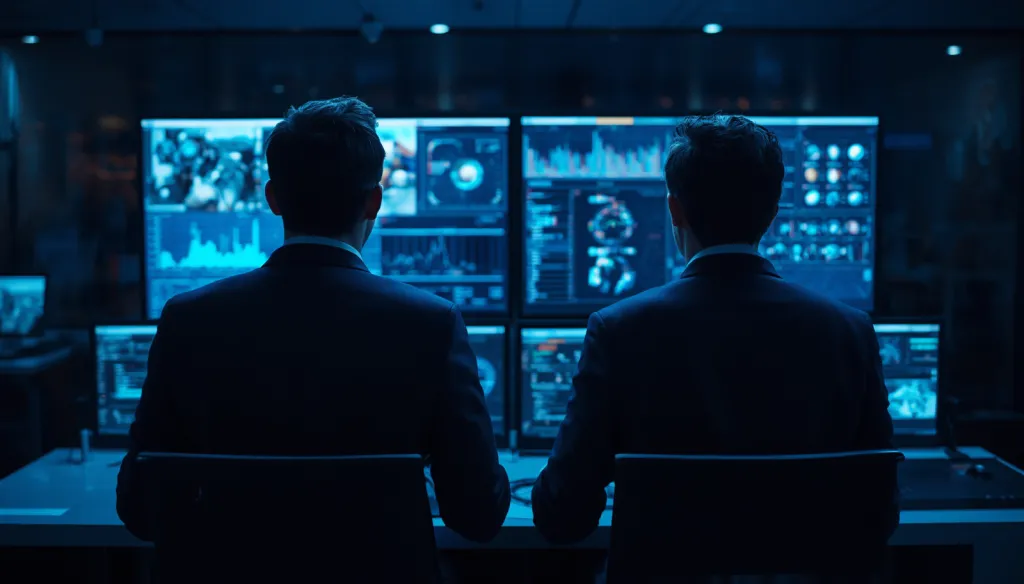
What AI surveillance does well — when deployed correctly and integrated properly with security workflows — is give control room operators and security managers more information, earlier. Cameras covering areas that no human operator could watch simultaneously. Alerts that flag unusual activity for human review. Pattern visibility across a site at a scale that a staffed control room simply cannot achieve manually.
What that translates to in a retail security context is more decision-making options before a situation reaches the point of necessary confrontation. Not the elimination of human judgment — the improvement of it. A security team that has more information available earlier can make different decisions about whether to intervene, when, and how. Sometimes the right response to early flagging is a covert staff presence rather than a direct approach. Sometimes it’s a review of footage before any intervention occurs. Sometimes it’s nothing at all, because the activity that triggered a flag turns out to be entirely innocent under human review.
The technology creates space for better decisions. It doesn’t make those decisions.
The gap nobody talks about: deployment and integration
In our work across commercial sites in Australia, the most common failure mode in AI surveillance isn’t the technology itself. It’s the gap between what a system is capable of and what it’s actually configured to do on a given site.
Cameras can be installed and running. Software can be licensed and active. And the system can still be producing zero useful alerts — because the configuration hasn’t been tailored to the specific environment, the camera coverage has blind spots that weren’t addressed in the survey, or the alert workflows aren’t connected to anyone with the authority or proximity to act on them.
A retail precinct deploying AI surveillance without careful site assessment, considered configuration, and integrated response protocols isn’t getting the benefit of the technology. It’s getting the invoice and the false reassurance.
This is where the value of specialist deployment expertise sits. Not in selling a platform, but in ensuring that the platform does what it’s supposed to do in the specific environment it’s installed in — with alerts reaching the right people, in time to matter.
What Bankstown Centro Actually Tells Us
The incident at Bankstown Centro isn’t primarily a story about shoplifting. It’s a story about what happens when the only tool available to retail security is a person walking up to another person and making an accusation in public.
That model has a ceiling. There will always be situations where the approach escalates regardless of how it’s handled — because the conditions that create confrontation are built into the intervention itself.
AI surveillance doesn’t eliminate those situations. But it does shift where the decision-making happens. Earlier in the chain. With more information available. Before the stakes are already at their maximum.
For retail centres, commercial precincts, and any site where the public gathers in volume, that shift is worth understanding — not as a technology purchase, but as an operational question. What information do our security teams currently have when they decide to act? What would they do differently if they had more? And what would it take to build that capability on the infrastructure already installed?
Those are the conversations worth having.
See More. Respond Faster. Stay Secure.
If you’re responsible for security at a retail precinct, shopping centre, or commercial property and you’re reviewing what your current surveillance setup can actually do — we’re happy to have that conversation.
We don’t start with a product. We start with your site, your existing infrastructure, and an honest assessment of where the gaps are and what’s realistic to address.
To protect our clients privacy, all images on this post was AI generated. Alphalogix is a Sydney-based managed IT.